
JUNIOR KINDERGARTEN · 4 to under 5 YEARS
Ideas grow when
children can try them out.
Junior KG connects emerging language and number skills with meaningful projects, creative choices and shared problem-solving.
Entry age
4 to under 5 years
Proposed session
9:00 AM–12:30 PM
Weekly rhythm
Monday–Friday
WHAT CHILDREN MIGHT EXPLORE
Learning you can picture.
01
Sounds and meaning
Explore rhymes and initial sounds through stories, games and familiar words.
02
Thinking with objects
Count, measure, compare and build while explaining a choice.
03
Working together
Plan a shared construction or pretend-play experience and negotiate roles.
A rhythm to the day.
This is an illustrative sequence, not a fixed timetable. Activities and settling support should adapt to the group and individual needs.
01
Reconnect
Choose a task and talk about a question for the day.
02
Investigate
Explore a focused experience with adult guidance.
03
Practise through play
Return to ideas through stories, making and movement.
04
Share a discovery
Explain something tried, noticed or changed.
Small moments
of growing confidence.
Progress might appear in a child returning to an activity, asking a clearer question, trying a new strategy or joining a shared experience. These examples help make development understandable without ranking children.
Our proposed observation and parent discussion process looks for these meaningful steps over time.
Try a little
discovery at home.
Offer small collections to sort in more than one way. Ask your child to explain the rule they chose.
Choosing the right starting point
Age is referenced to 1 June of the admission year. Individual placement, care needs and programme availability are discussed with the team. The programme times above are planning details to confirm before enrolment.
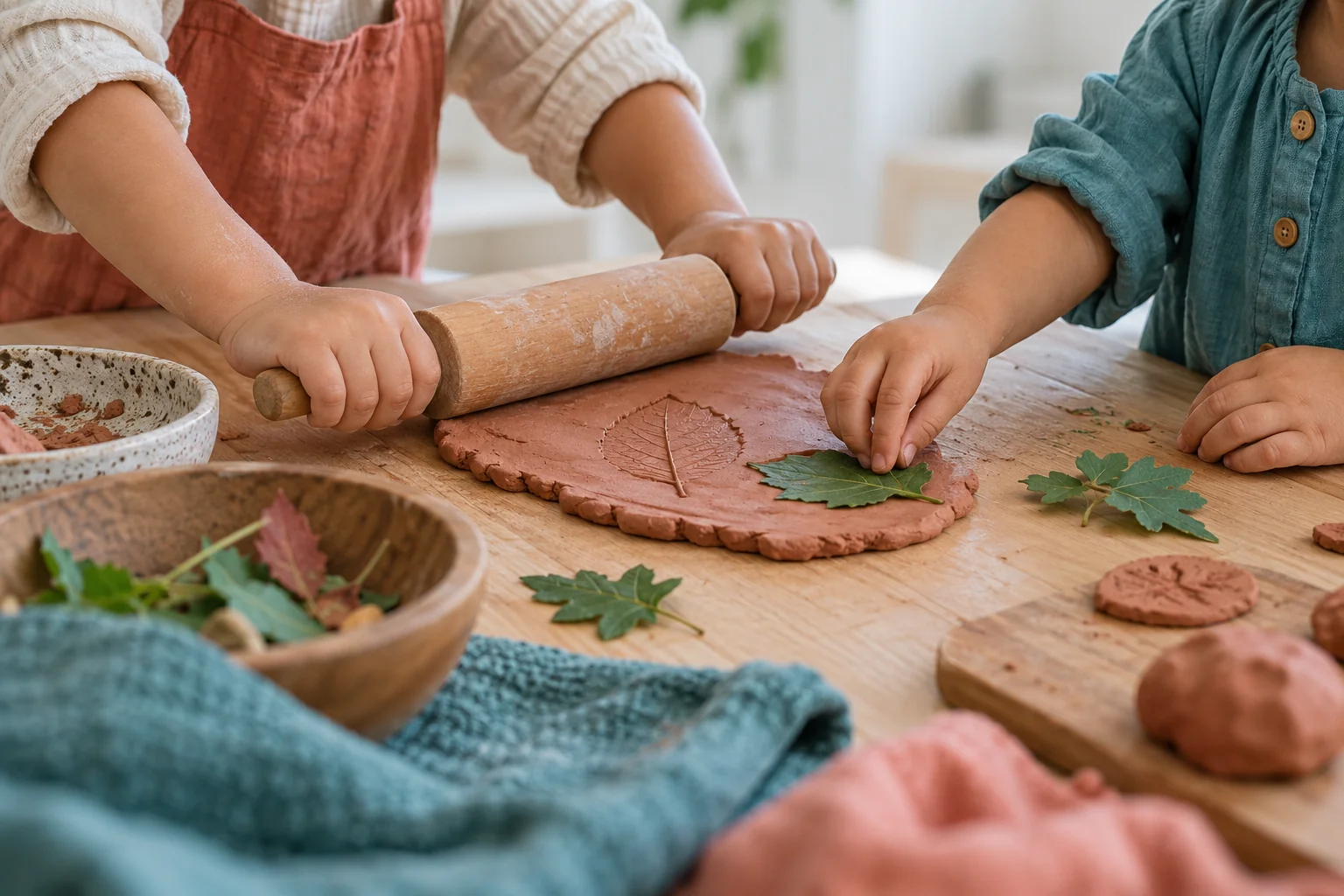
WHAT LEARNING CAN LOOK LIKE
Connecting ideas through purposeful play
Language with a reason to use it
A pretend café needs a menu. A model needs a description. Children explore vocabulary, sounds and early marks through situations that give communication a purpose.
Numbers that mean something
Children can count objects, compare groups, explore patterns and discuss shapes while building and playing. The emphasis is on understanding quantities and relationships, rather than reciting long number sequences.
Enquiry and creative expression
Questions such as “Which bridge is stronger?” invite children to predict, test, describe and change an idea. Drawing and making help them record what they think.
Participation and perseverance
Joining a group, listening to another idea and trying again after a difficulty are part of learning. Tasks offer achievable challenge with adult help rather than pressure to finish first.
At home, keep it simple.
A few relaxed minutes of shared attention are often more useful than a long task. Choose an activity your child enjoys and stop before it becomes a struggle.
- Play with rhyming words and familiar beginning sounds.
- Ask “How did you make that?” and listen to the explanation.
- Use everyday objects to compare more, fewer, longer and shorter.
These examples illustrate the planned learning approach, not fixed milestones or promises of a particular outcome.
Next: Explore a sample preschool day · How learning can be observed · Discuss a place
YOUR QUESTIONS, THOUGHTFULLY ANSWERED
Useful to know.
Is Junior Kindergarten the same as LKG?
Junior KG is the familiar LKG stage in our proposed programme naming. Entry and later progression still depend on the receiving school’s requirements.
What is the proposed entry age?
The proposed band is 4 to under 5 on 1 June, with individual placement discussed.
Will children learn to read and write?
Early sound awareness, literacy experiences and comfortable mark-making are proposed. Progress varies; independent reading or handwriting outcomes are not guaranteed.
What is the proposed session?
The planning session is 9:00 AM–12:30 PM, Monday to Friday, subject to final confirmation.
NEED ADDITIONAL CARE?
Plan the complete day.
If you need care beyond the preschool session, discuss a daycare add-on. Confirm hours, handover, meals, rest and collection as one complete arrangement.
Explore daycare ↗CONTINUE LEARNING WITH TRICEF
Looking beyond the preschool years?
TRICEF Academy offers school tuition and separate language and enrichment programmes in Padappai. Explore the programme that fits your family.