
GROWING INDEPENDENCE
Ready for more than a worksheet.
The next step in learning asks children to participate, communicate, manage small routines and remain willing to try.
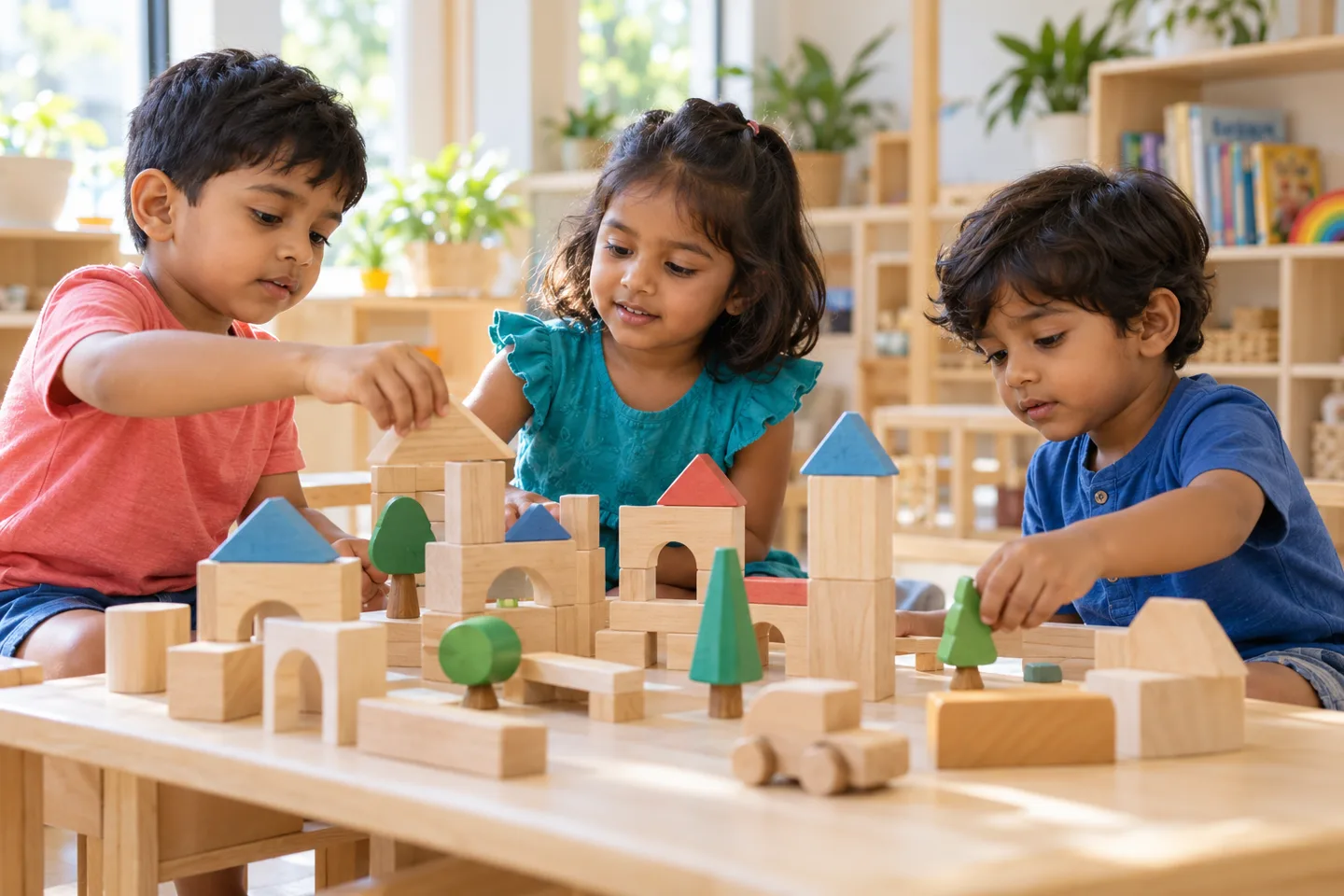
A BROAD FOUNDATION
Readiness has several dimensions.
Feeling secure enough to participate
A child who can seek reassurance, express a need and reconnect after a disappointment has useful tools for a new classroom. Confidence can look quiet or lively.
Communicating ideas
Listening, describing, asking and responding help children take part in shared learning. Home language and familiar experiences remain valuable resources.
Managing ordinary routines
Caring for belongings, following a short sequence and asking for help develop through patient practice. Adults can offer support while gradually increasing responsibility.
Exploring language and number
Stories, sound play, meaningful print and practical quantities help children build foundations with understanding. Readiness should not be reduced to a memorised list or speed test.
Plan the transition together
Discuss the receiving school’s age criteria and joining arrangements early. Share useful information about strengths, interests, friendships and support. Familiar routines and a clear family conversation can help make the change more understandable.
This guide offers educational ideas, not a developmental assessment or a guarantee of admission to another school.
Explore Senior Kindergarten · Understand learning observations · Find parent guides
QUESTIONS FAMILIES ASK
A little more clarity.
Does TRICEF guarantee primary-school admission?
No. Each receiving school sets its own requirements and decisions. Families should check those directly.
Should we practise entrance-test papers every day?
Ask the receiving school what is actually required. The preschool approach described here prioritises meaningful learning, communication and confidence rather than repeated test rehearsal.
CONTINUE LEARNING WITH TRICEF
Looking beyond the preschool years?
TRICEF Academy offers school tuition and separate language and enrichment programmes in Padappai. Explore the programme that fits your family.